
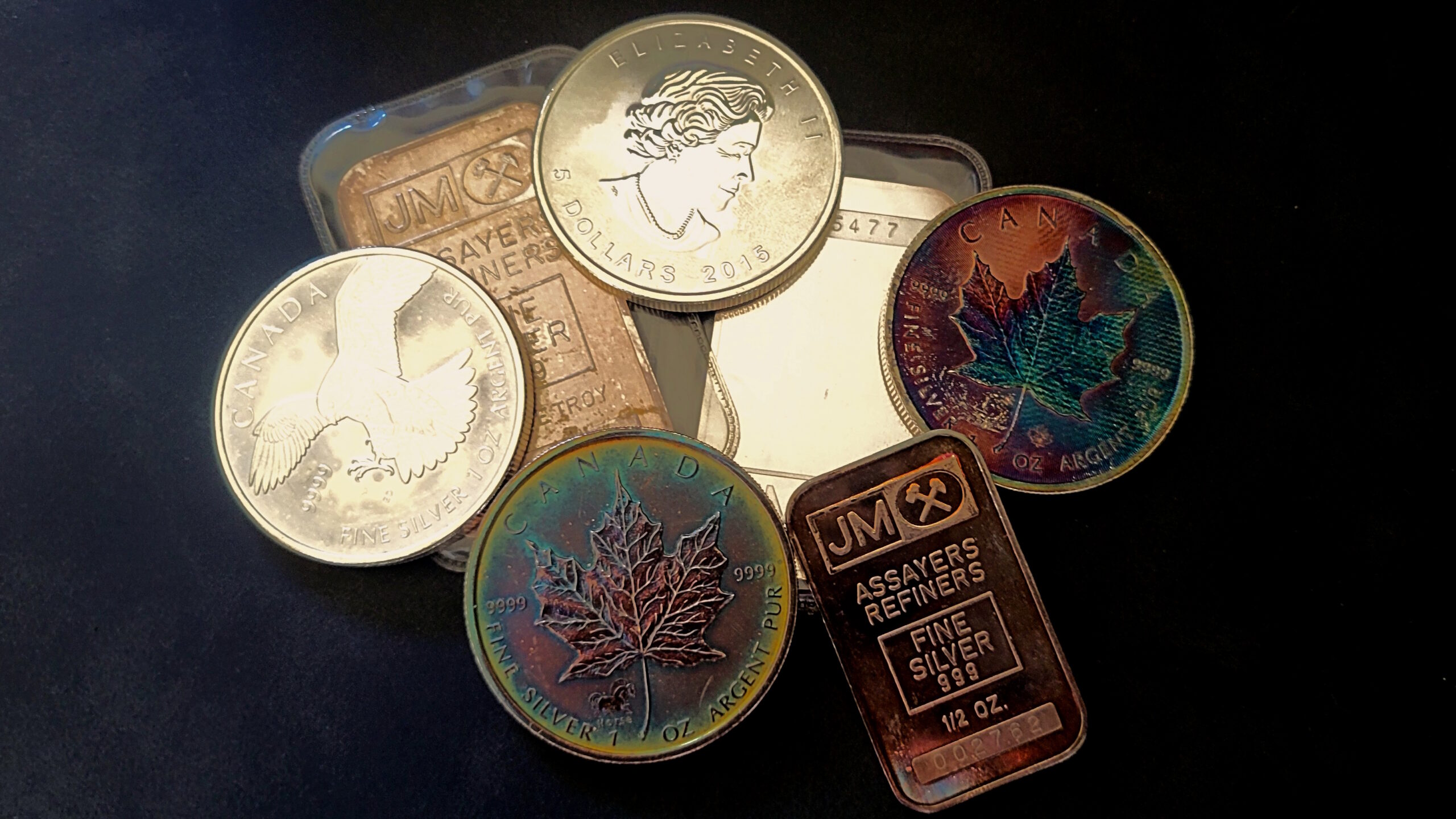
You open a tube of silver coins or take a gold coin out of its packaging and notice something unexpected: a white spot, a dark mark, a reddish patch or a change in colour.
Is something wrong with your bullion?
In most cases, no.
Precious metals can develop various spots, marks, and changes in appearance. Some occur during manufacturing, while others develop as the metal interacts with its environment. These changes can affect the bullion’s appearance – and sometimes its collector value – but they do not change the amount or fineness of precious metal contained in the bullion.
Here are some of the things you might find on your gold or silver bullion.
Milk Spots
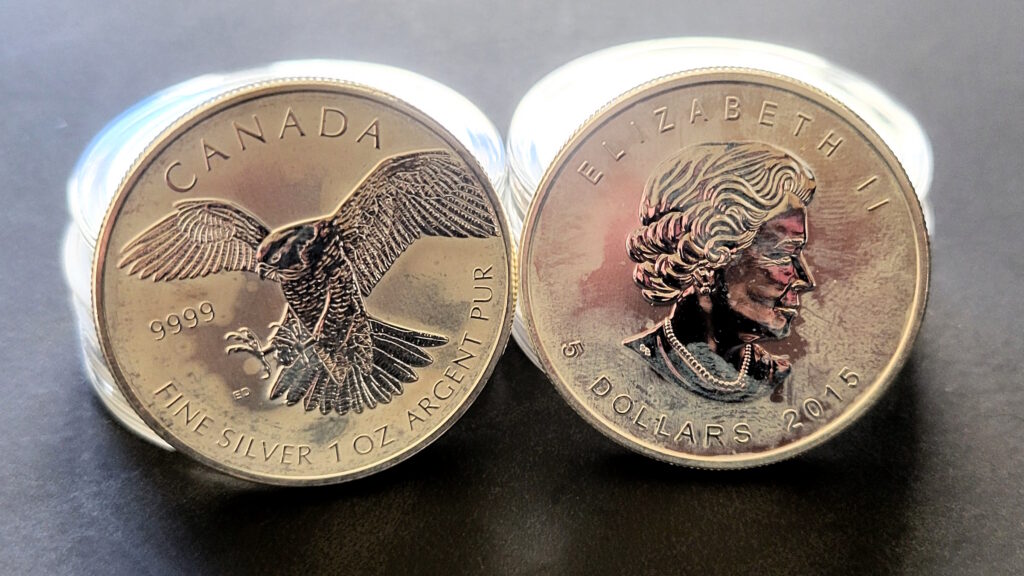
One of the most recognizable examples is the milk spot.
Milk spots are irregular white or cloudy-looking marks that can appear on silver bullion, particularly modern silver coins such as the Silver Maple Leafs. The Royal Canadian Mint researched the phenomenon and found that multiple factors can contribute, including interactions between silver and contaminants during processing, handling, and storage. Milk spots are not the same as ordinary tarnish or oxidation.
Importantly, milk spots do not change the coin’s fineness or precious metal content. They primarily affect its appearance.
In 2018, the Royal Canadian Mint introduced MINTSHIELD™, a proprietary process designed to significantly reduce the occurrence of milk spots on Silver Maple Leaf bullion coins.
Tarnish, Toning and Patina
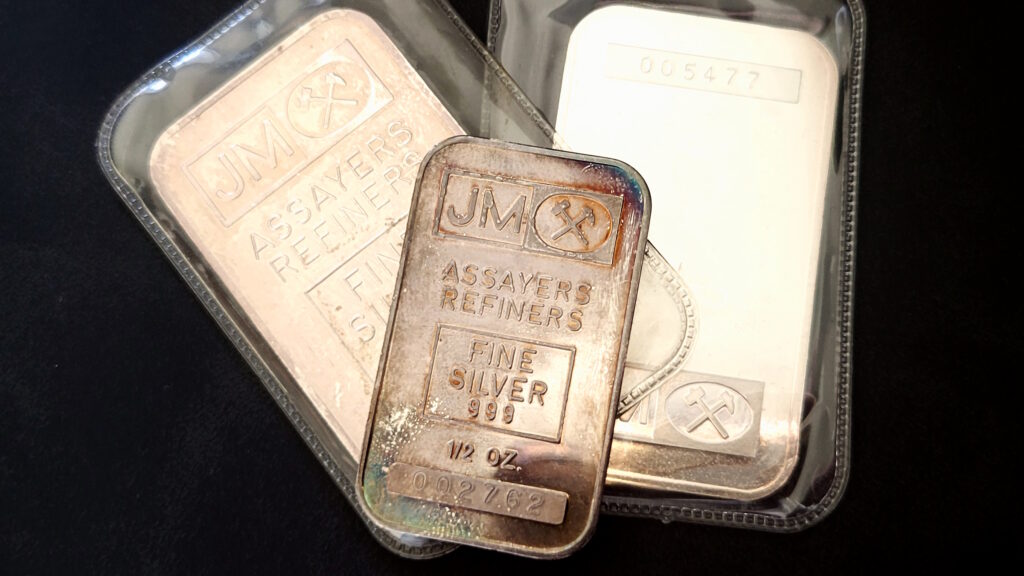
Silver is more chemically reactive than gold, so it can change appearance when exposed to substances in its environment. This is commonly called tarnish, although terms such as toning and patina are also used to describe changes that develop on a metal’s surface.
Silver can gradually develop shades ranging from yellow and grey to brown, blue, purple and black. These changes are often caused by reactions between the metal’s surface and compounds in the surrounding environment.
Not every aged-looking finish is accidental. An antique finish is sometimes intentionally applied to bullion or collectible items to give them a darker, aged or tarnished appearance.
Tarnish and toning generally have little effect on the underlying metal value of bullion. For collectors, however, appearance can matter considerably. Some prefer bright, untarnished surfaces, while others actively seek out coins with attractive toning or patina.
Dark Spots and Discolouration
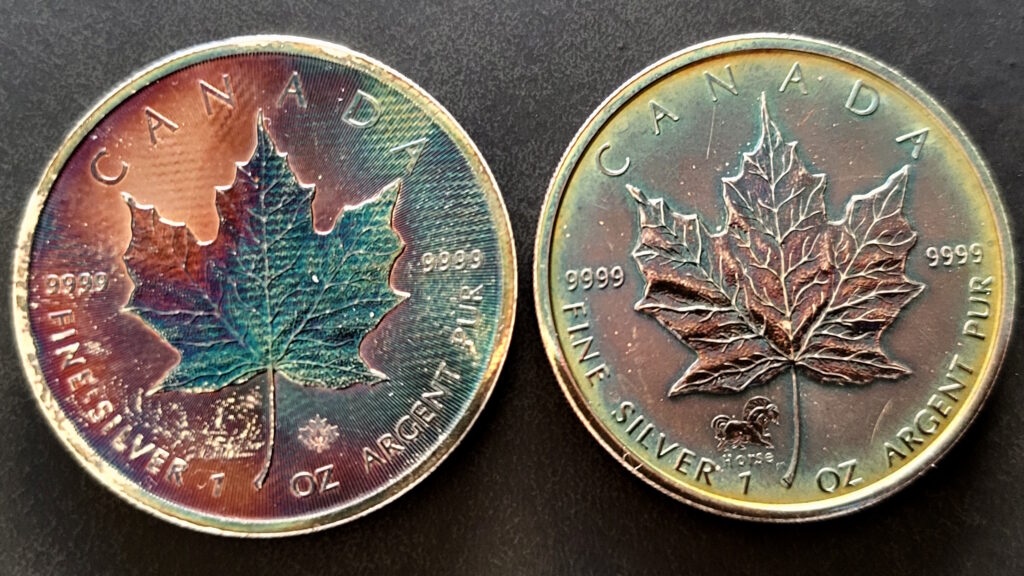
Silver and other precious metal bullion can develop dark spots, patches or other forms of discolouration. These may result from normal tarnishing, environmental exposure, chemicals, contaminants or storage conditions.
One particularly striking form of discolouration on silver coins is rainbow or oil-spill tarnish. Instead of simply becoming darker, the surface develops shimmering combinations of purple, blue, green, yellow and gold. This happens when a very thin surface layer interacts with light, resting different colours depending on the layer’s thickness and viewing angle.
Rainbow-toned silver is not necessarily considered undesirable. Some collectors actively seek out colourful or unusual toning, and particularly attractive examples can command a premium.
Copper Spots
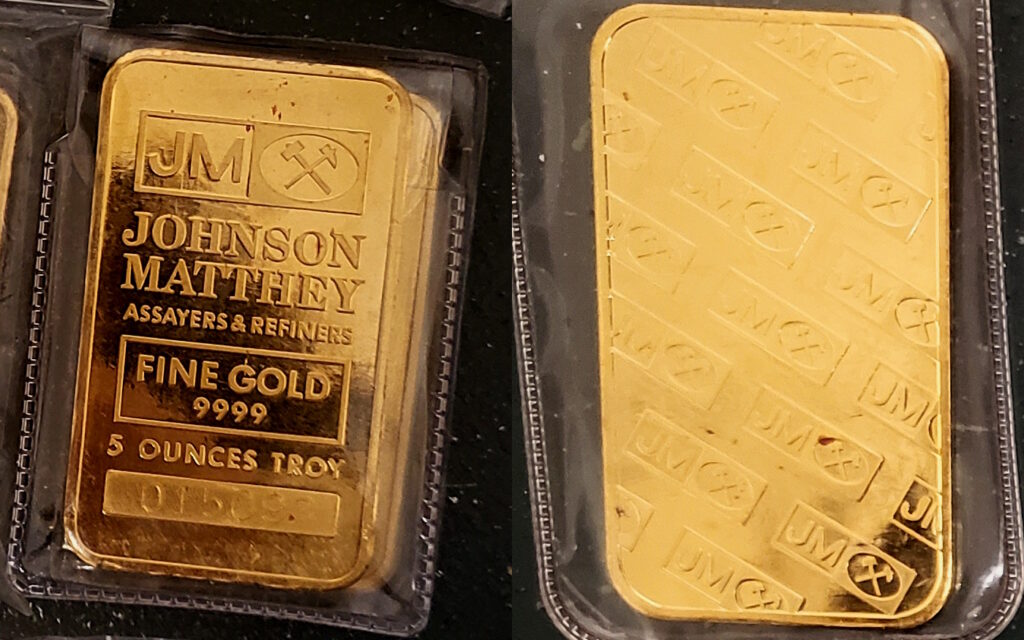
Reddish or orange spots can sometimes appear on precious metals and are commonly referred to as copper spots.
This can be surprising on gold bullion, particularly when the item is stamped 99.99%. But these spots do not necessarily mean there is a significant amount of copper in the bullion.
No gold bullion is technically 100% pure. The highest fineness produced is 99.999%, meaning there is still a very small fraction of other elements present.
Bullion can also be manufactured in facilities where other metals, including copper, are worked with. Trace amounts can potentially become incorporated into the metal or its surface during production. Over time, these traces can react with the environment and become visible as reddish or orange spots.
Copper spots can therefore appear even on 99.99% and 99.999% gold bullion. Their presence does not automatically mean that a piece is counterfeit or that its stated fineness is incorrect.
For bullion, copper spotting does not change the underlying precious metal value. However, prominent spots can affect the premium on a collectible or numismatic item because appearance and condition matter to collectors.
Green Spots and Verdigris
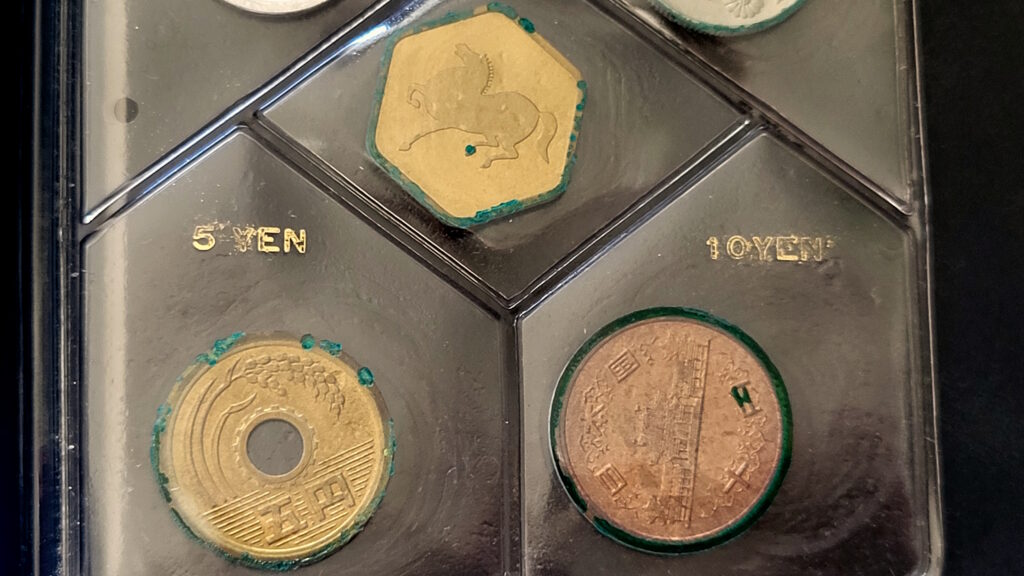
Green discolouration is most commonly associated with verdigris, a term generally used for green corrosion that develops on copper and copper-containing metals.
This can become relevant to coins and bullion because some products contain small amounts of copper or other metals, and because the materials used to store them can affect their surfaces.
Certain plastics, particularly PVC-containing materials, can release chemicals as they deteriorate. These chemicals can react with coins and other metal objects, potentially creating sticky green deposits, discolouration or corrosion.
This is one reason collectors take care when choosing coin holders, flips and other storage materials. If you find a green or sticky substance on your bullion, avoid scrubbing or cleaning it yourself. Improper cleaning can damage the surface and potentially affect collector value.
Metal Value vs. Collector Value
Bullion is primarily valued according to its precious metal content – including its weight and fineness – and the current market price of the metal.
A milk spot doesn’t remove the silver from a Silver Maple Leaf. Tarnish doesn’t remove the silver from a silver coin. A copper spot doesn’t mean the gold has suddenly become less pure.
However, appearance can matter when an item has additional numismatic or collector value. Collectors may pay premiums for rarity, condition, attractive toning or special finishes. Conversely, undesirable spotting or surface damage can reduce the premium someone is willing to pay.
Think Twice Before Cleaning Your Bullion
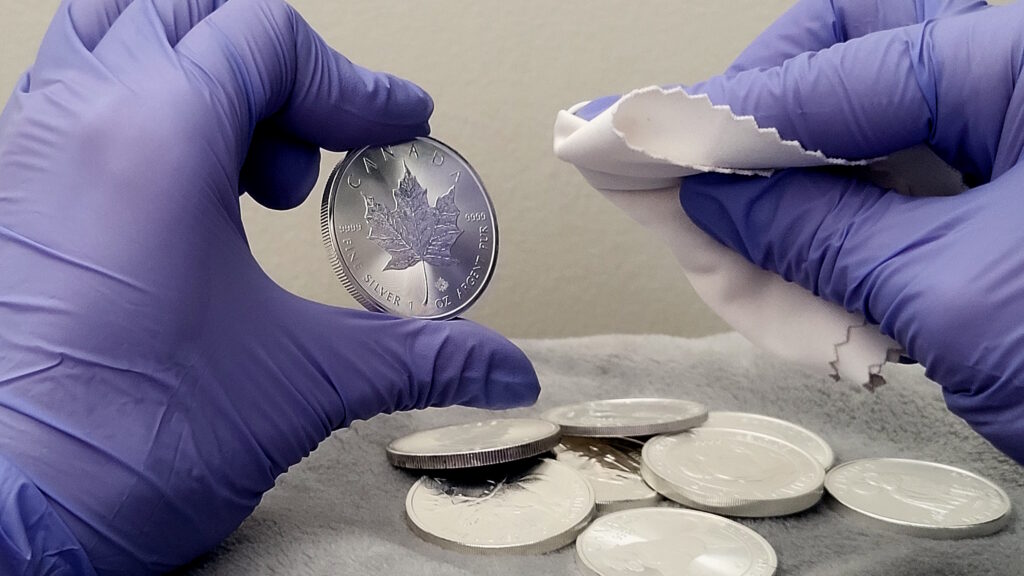
If you discover a strange mark on your bullion, your first instinct might be to clean it. That can be a mistake.
Polishing, abrasives and chemicals can permanently alter a coin’s surface. On collectible pieces, cleaning can potentially do more harm to the item’s value than the original spot or tarnish.
If you are unsure what you’re looking at, leave the bullion as it is until you know what caused the change and whether it actually affects its value.
The Surface Doesn’t Tell the Whole Story
Bullion doesn’t necessarily stay looking exactly the way it did when it left the mint. Milk spots, tarnish, toning, copper spots, and other surface changes can develop through manufacturing, environmental exposure and storage.
At Canada Gold, we buy and sell gold, silver and platinum bullion, including bullion that may show some of these surface characteristics. We don’t simply devalue bullion because it has ordinary toning, tarnish or spotting. The precious metal content remains the primary consideration when determining its metal value.
Some of the bullion we sell may also have distinctive toning, tarnish or other finishes that give it a unique appearance – and some collectors specifically appreciate those characteristics.
Whether you’re selling bullion you already own or looking to add precious metals to your collection, visit Canada Gold to explore our bullion and find out what your precious metals are worth.